Since 1894
The history of Luffness New
Golf around Aberlady may date to the 16th century, according to the club, and the first organized course here was Old Luffness. In October 1867, Aberlady golfers asked Henry Walter Hope, owner of the Luffness Estate, for ground for a course, and Old Tom Morris opened 17 holes that November. An 18th hole followed in 1872.
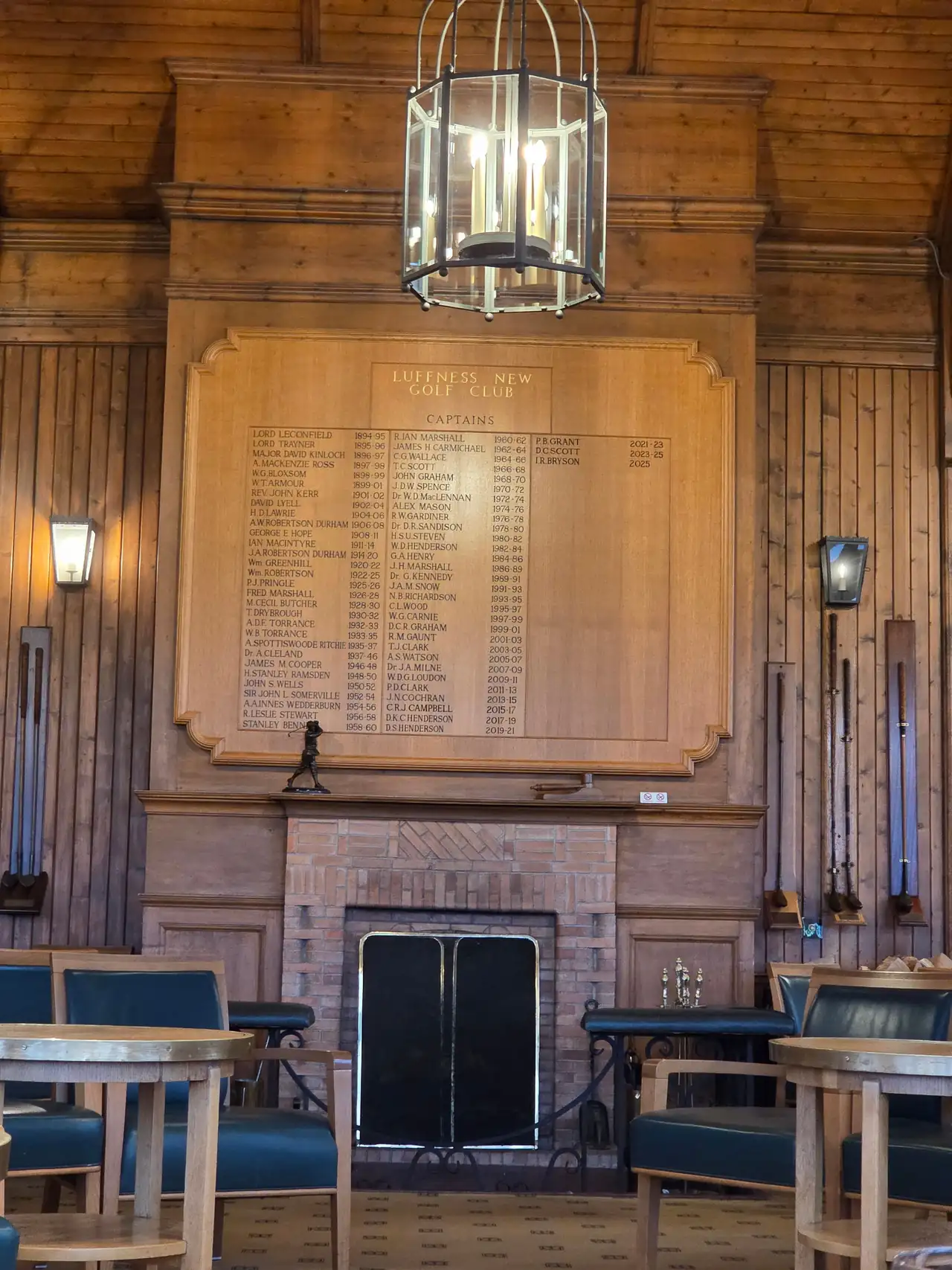
Part of that course lay on Gullane land rather than the Luffness Estate, and in 1893 a dispute arose over golf on Gullane Common when the Gullane owners demanded rent. Hope responded by building a new course entirely on his own estate, laid out with Old Tom Morris's guidance, and Luffness New Golf Club began play there in 1894. Top 100 Golf Courses records a professional tournament to mark the opening, won by Ben Sayers with 166 for 36 holes. The old club carried on alongside for a few years, then moved west to Aberlady in 1898 and became Kilspindie Golf Club.
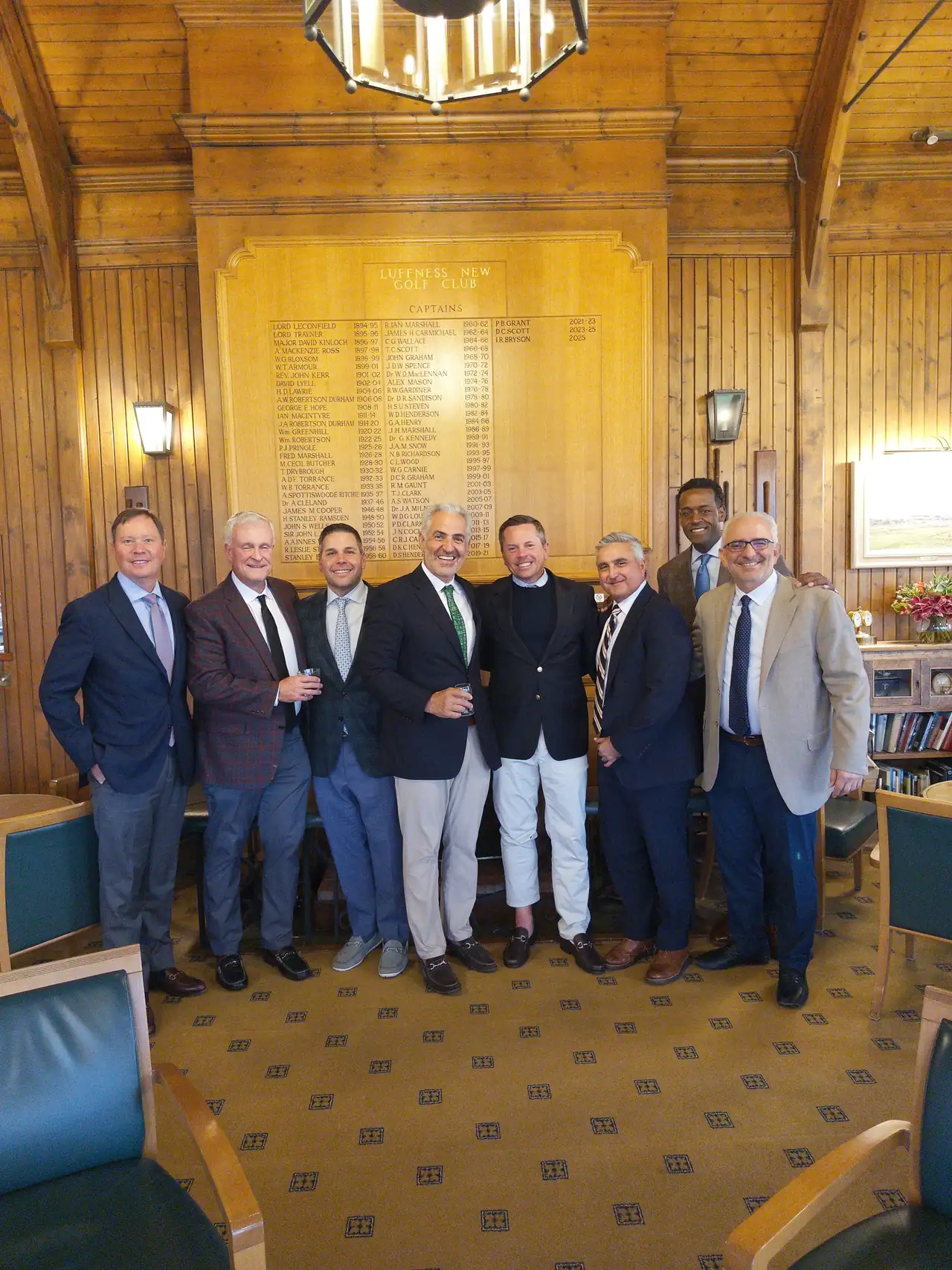
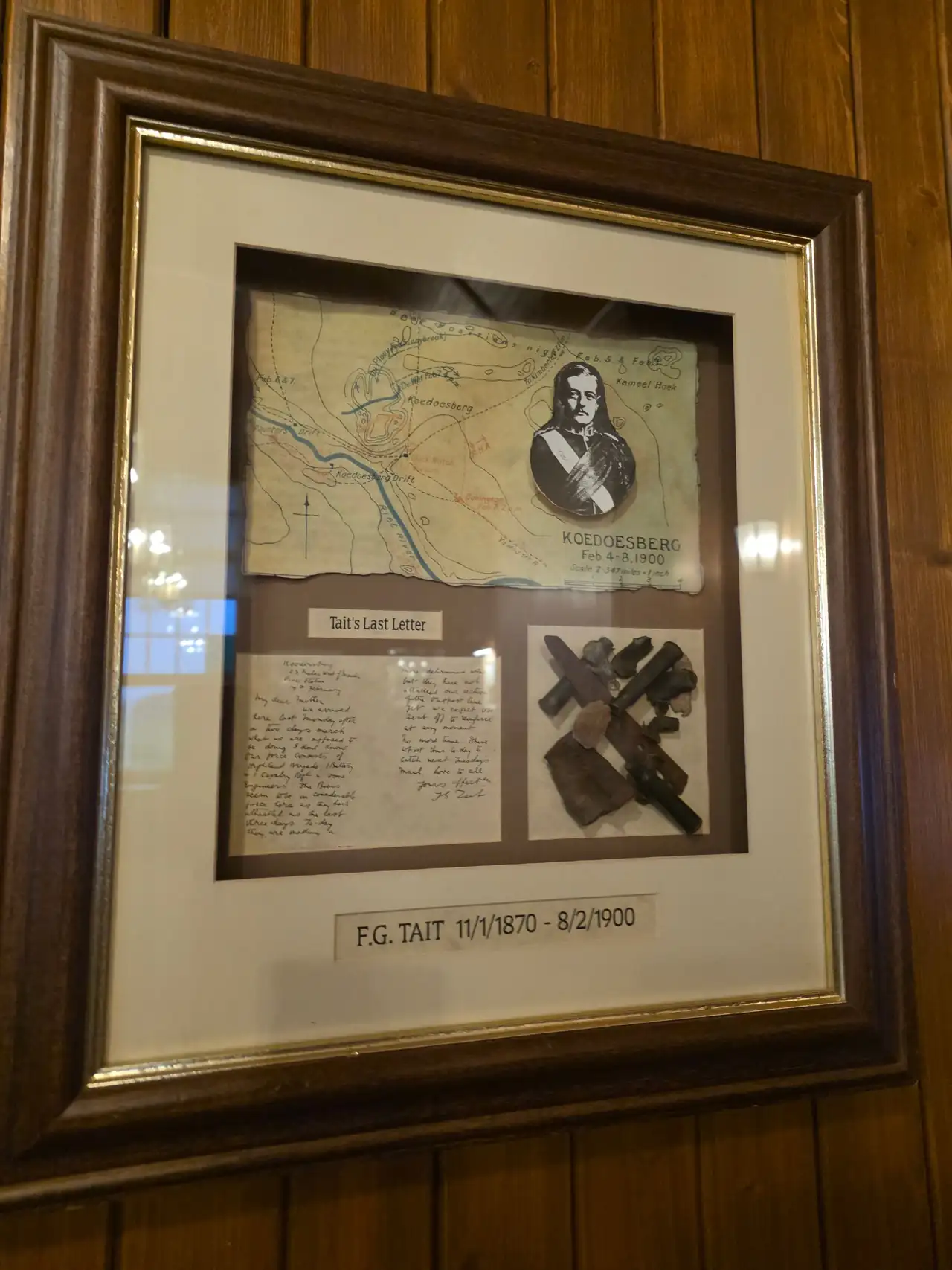
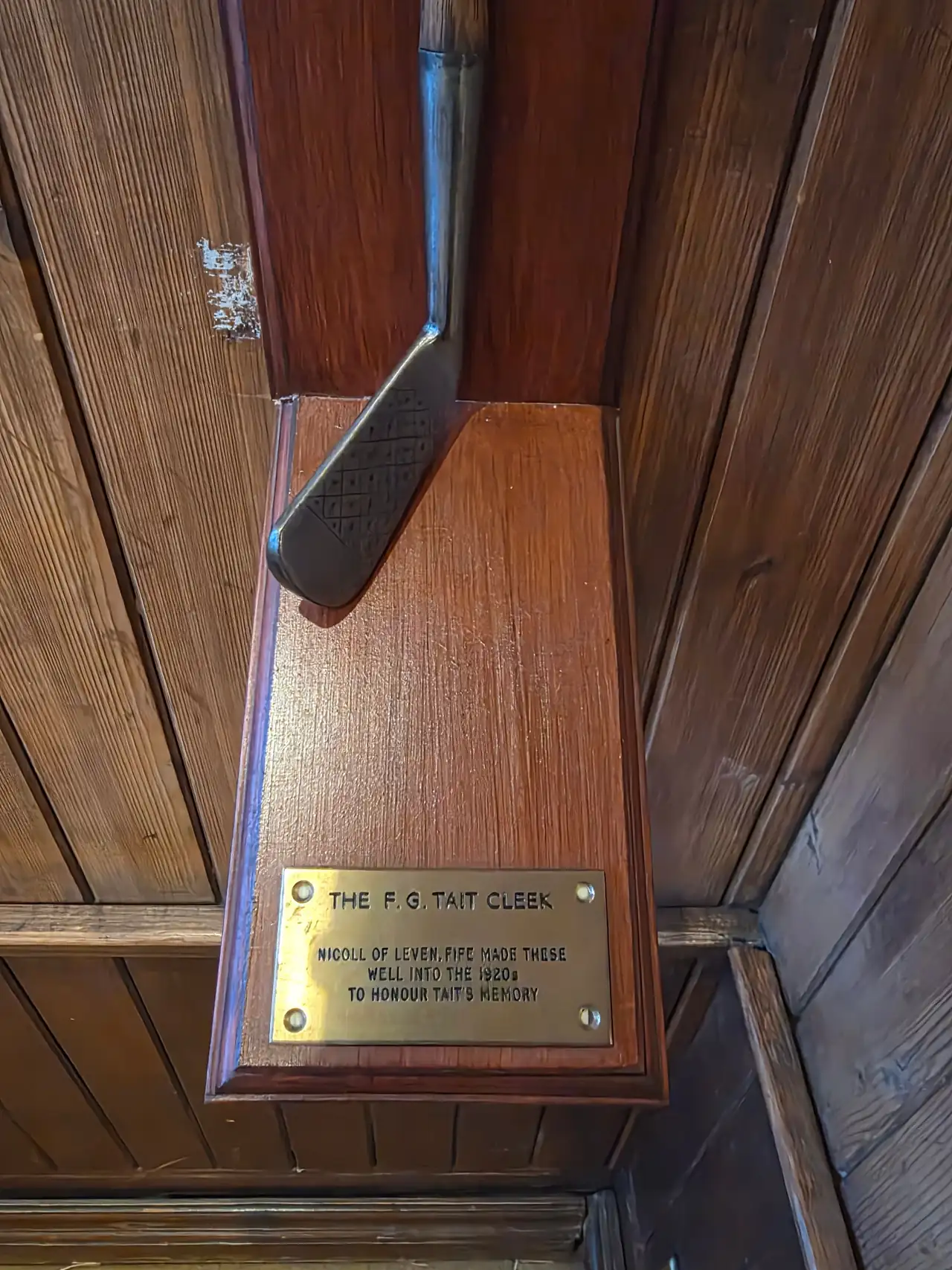
Freddie Tait (F.G. Tait), Amateur Champion in 1896 and 1898 and a three-time runner-up, was a founder member and regular. He served with the Black Watch and was killed in the Second Boer War in 1900, aged 30. The club put up a memorial to him, much of the clubhouse memorabilia celebrates him, and the 15th hole carries his name.
The course has been refined since Morris. Architect Fred Hawtree, cited by Top 100, connects Willie Park Jr. with later work and notes that Tom Simpson listed Luffness New among his firm's courses in 1931. The course also spread onto parts of the old Luffness ground, and the club recently lengthened the 15th by 103 yards. It is used for qualifying when the Open is played at Muirfield.
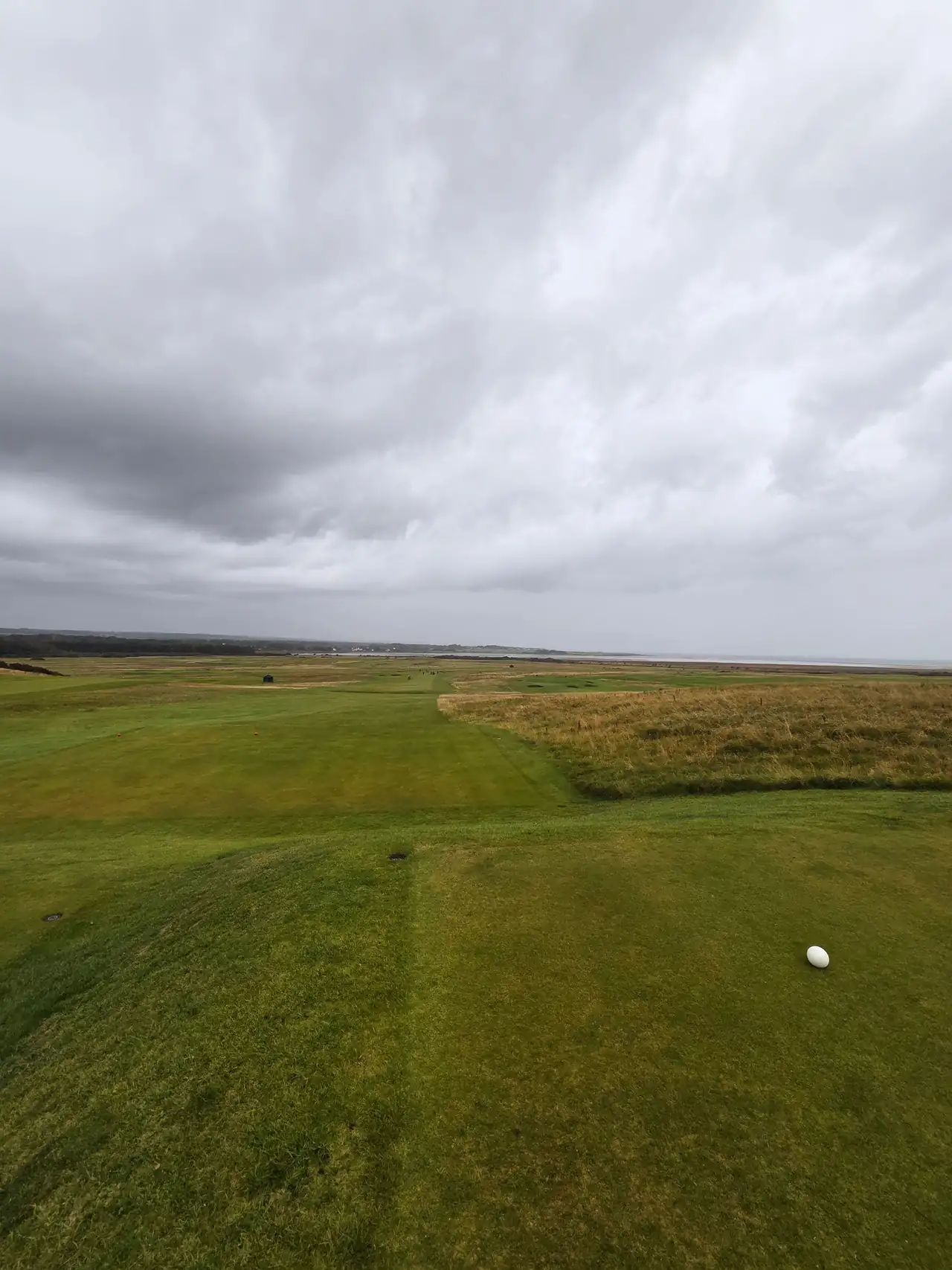
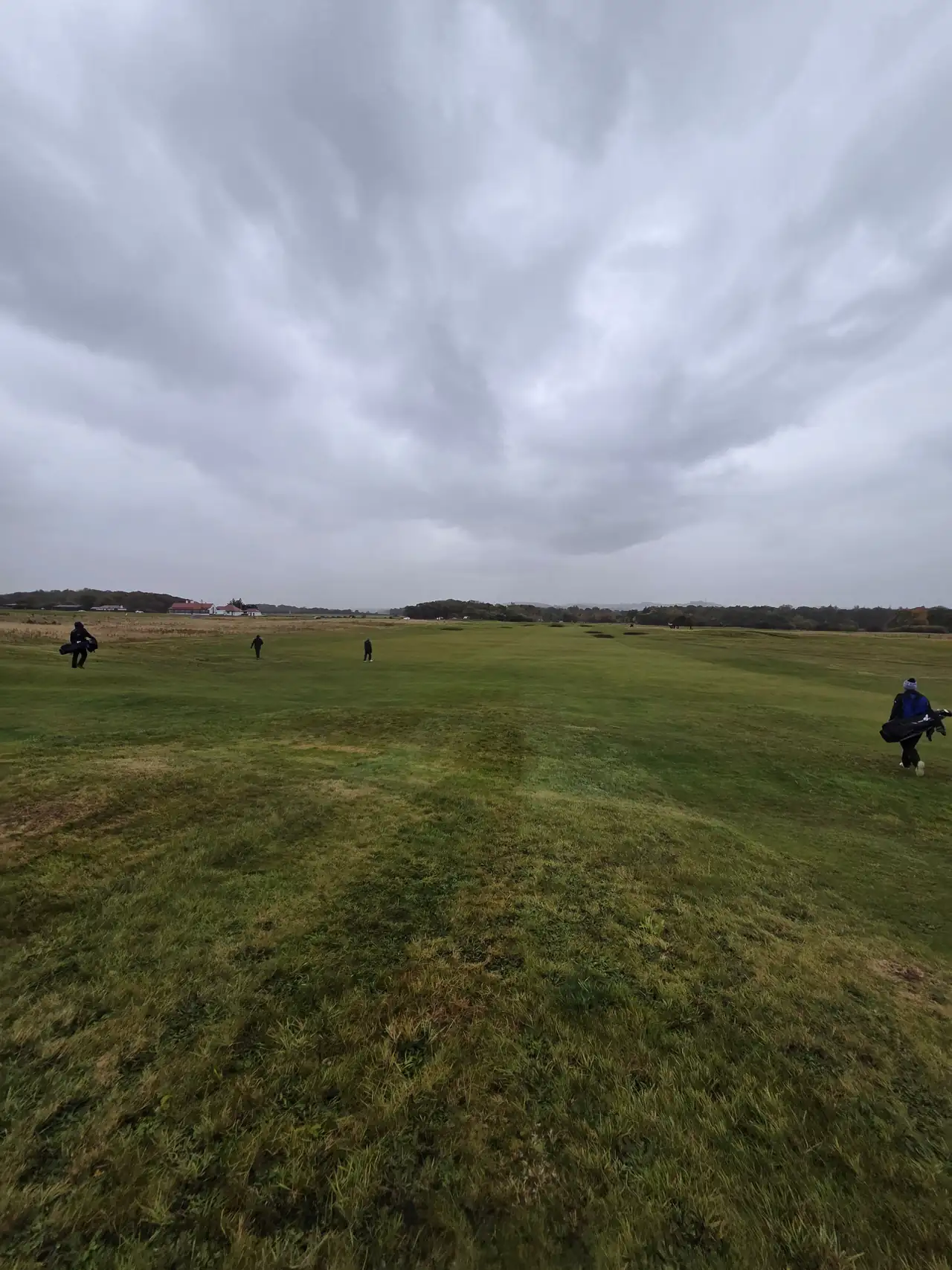
Today Luffness New is a traditional members' club beside Gullane and Muirfield, 6,581 yards and par 70, with small, true greens. Bernard Darwin described its turf as 'the finest, smoothest, and most delicate that ever was seen.' After 9:45 a.m., men wear jacket and tie in the Smoke Room, North Lounge and Dining Room, and visitors play at set times without a tee booking system.
What stands out
- Small, true greens kept in excellent condition year round.
- Well-placed bunkers that reward accuracy over power.
- Into the wind, the 2nd, 9th, 11th, 15th and 18th can take three shots to reach.
- The 4th and 12th greens sit near the clubhouse, so shorter loops are possible.
- A bell on the 11th must be rung before teeing off.
- The par-3 16th looks out over Aberlady and Kilspindie.
Signature holes
- No. 4, Long (par 5, 506 yds)
- The fairway slopes right to left, and a deceptive hollow in front of the green demands a well-judged approach.
- No. 6, Quarry (par 3, 152 yds)
- A gentle-looking short hole with a hidden bunker at the back left of the green, so club selection matters.
- No. 15, Freddie Tait (par 4, 420 yds)
- Named for the club's most famous member and the second-hardest hole on the card: the drive must avoid two fairway bunkers and stop short of a third, leaving an approach to a long, narrow green.
- No. 18, Home (par 4, 455 yds)
- A strong finish to a tricky green with its own version of the Valley of Sin.