June 4, 2023
Played with Brandon
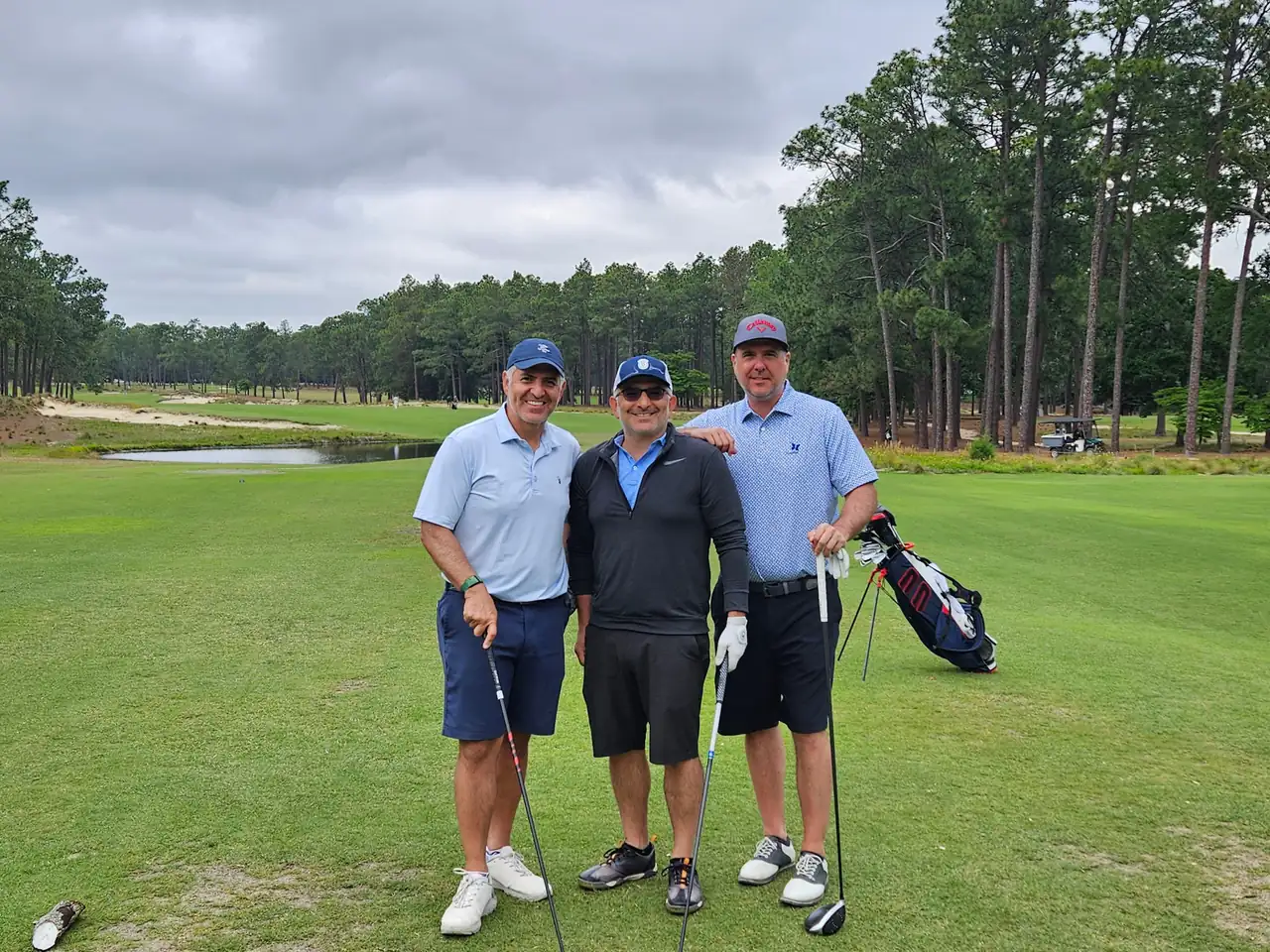
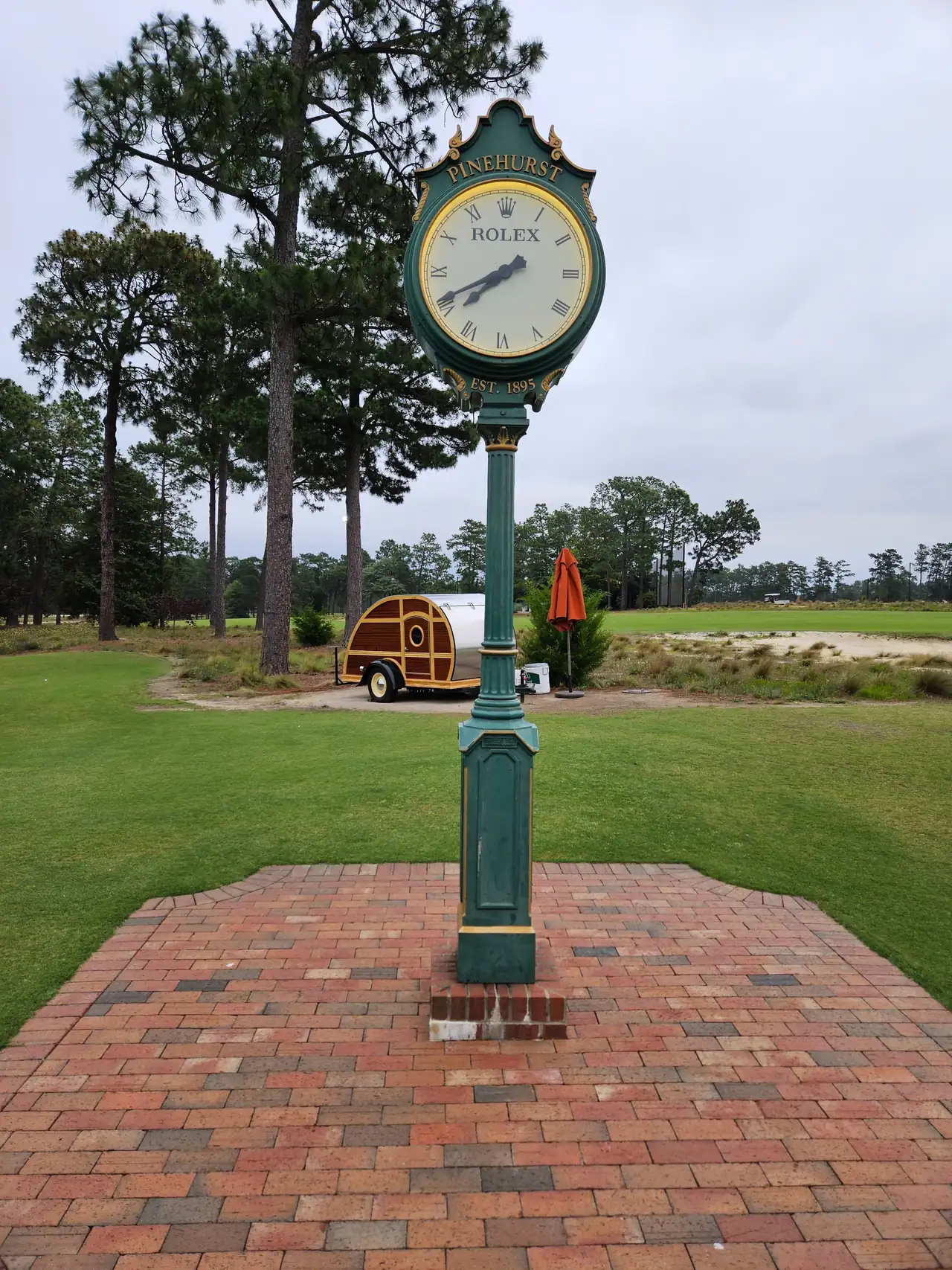
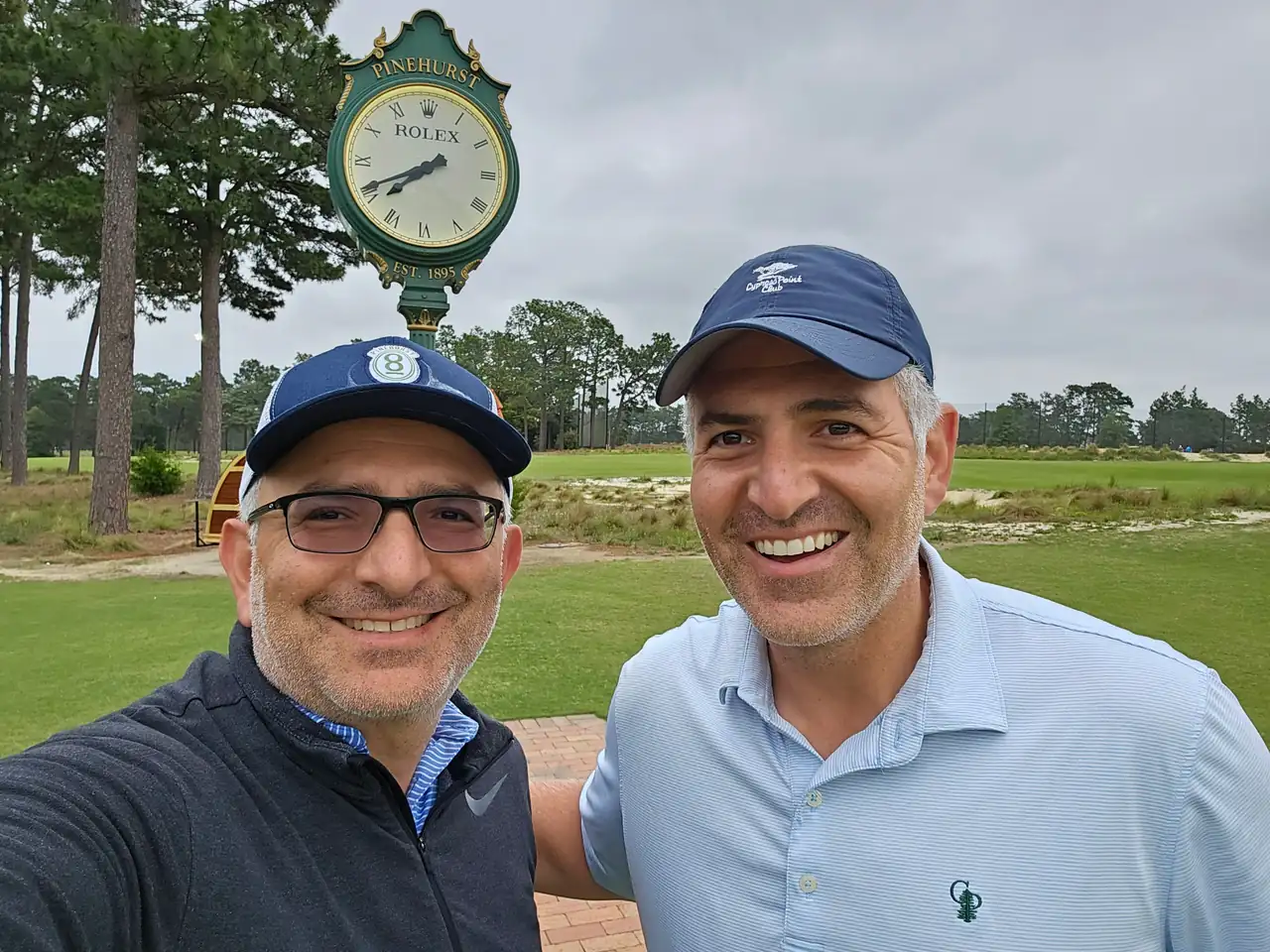
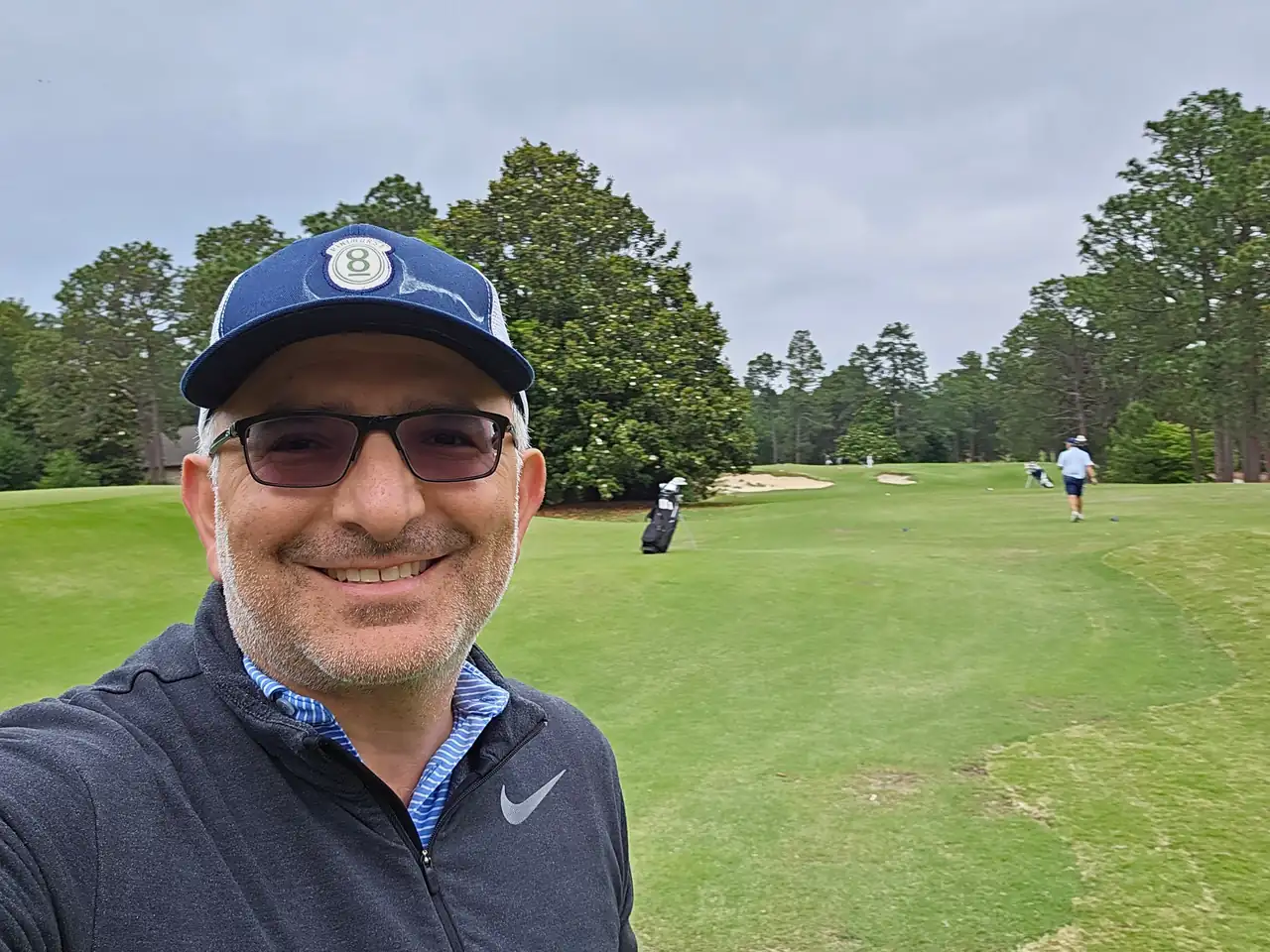
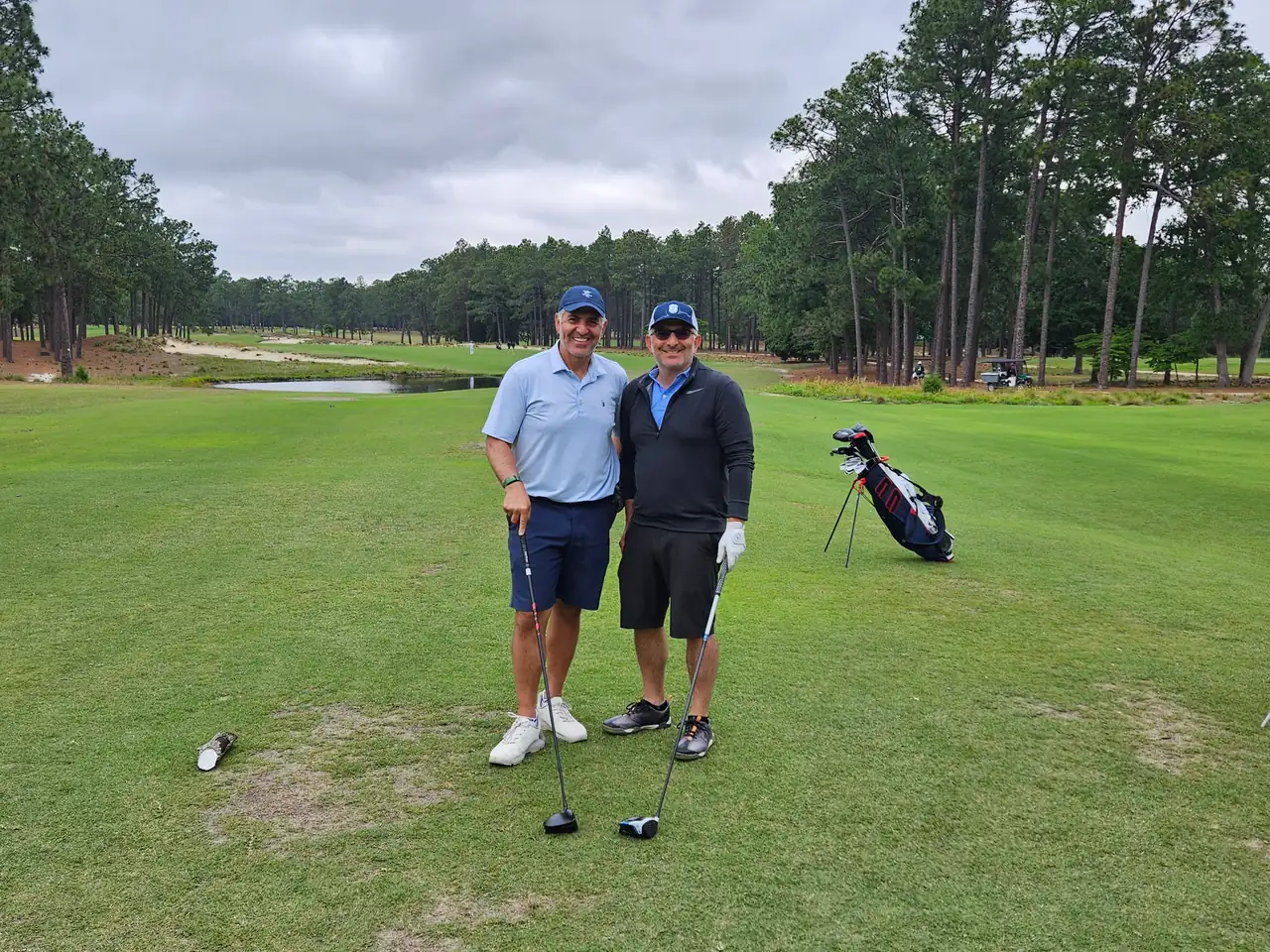
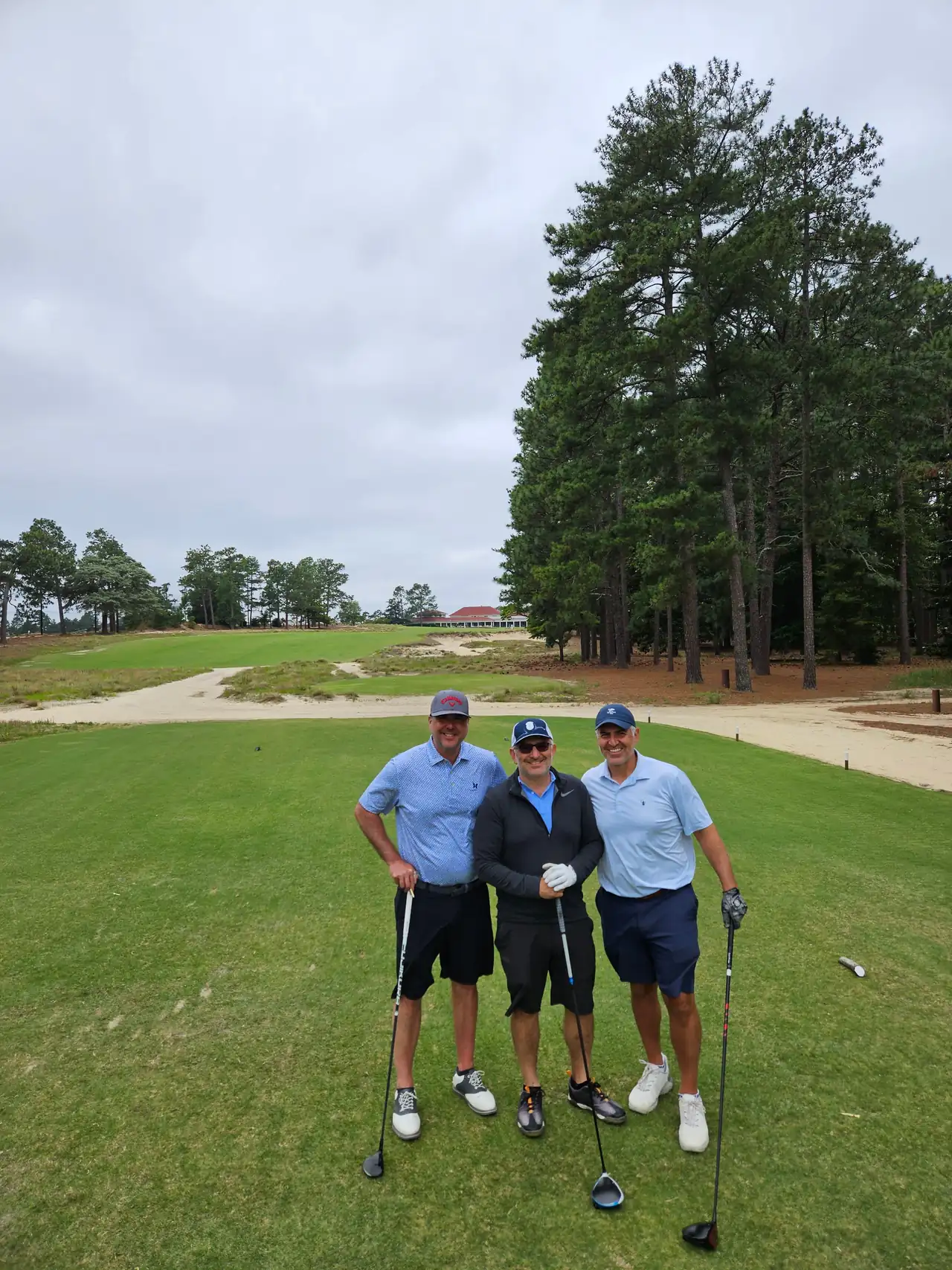
Pinehurst No. 2 is Donald Ross's 1907 masterpiece at Pinehurst Resort in North Carolina and the USGA's anchor site, with U.S. Opens in 1999, 2005, 2014 and 2024 and four more scheduled. It is known for its domed "turtleback" greens and sandy, wiregrass-lined fairways. The Perry Bros played it on June 4, 2023; Jon's score was 87; Jake's was 99.
Played with Brandon
June 1 to 4, 2023 · Pinehurst, North Carolina · Jon wins 4 to 1. See the whole trip
Donald Ross came to Pinehurst in 1900 as its golf professional, and No. 2, which opened in 1907, was his first 18-hole design there. He kept reworking it for the rest of his life, and from 1925 until his death in 1948 he lived in a house beside the third hole that is now known as Dornoch Cottage. Ross called No. 2 the fairest test of championship golf he had ever designed.
For its first three decades No. 2 had greens of oiled sand. They were converted to Bermuda grass in 1935, in time for the 1936 PGA Championship, which Denny Shute won. The 1951 Ryder Cup followed, won by the United States, and later came Tour Championships, a U.S. Senior Open and three U.S. Amateurs.
Over the decades after Ross died, the course drifted from his design: grass covered the sandy ground, deep rough lined the holes, and the fairways narrowed. In 2009 resort president Don Padgett II persuaded owner Robert Dedman Jr., whose family has owned Pinehurst since 1984, to fund a full restoration. Bill Coore and Ben Crenshaw began in February 2010 and finished in 2011, at a cost of about $2.5 million. Working from 1940s aerials, they cut roughly 36 acres of rough in favor of sand, wiregrass and pine straw, widened fairways by up to 50 percent, ended winter overseeding and rebuilt the bunkers. Water use fell by about 40 million gallons a year. The greens stayed. Coore believes the famous domed turtleback shapes developed through decades of topdressing, since 1936 photos show the greens at grade, but he judged them too much a part of the course's identity to change.
No. 2 has been the stage for some of the U.S. Open's best moments. Payne Stewart holed a 15-foot par putt on the 72nd hole in 1999 to beat Phil Mickelson by one. Michael Campbell started the final round of 2005 four shots back and beat Tiger Woods by two. In 2014 Martin Kaymer opened with two 65s and won by eight, and the next week Michelle Wie won the U.S. Women's Open by two over Stacy Lewis, the first time both championships were played on the same course in the same year. In 2024 Bryson DeChambeau got up and down from a bunker 55 yards out on the 18th to finish at 6 under and edge Rory McIlroy.
Today No. 2 plays to 7,588 yards and par 70 from the U.S. Open tees, and to par 72 from the shorter sets. The USGA has made it an anchor site, with the U.S. Open scheduled to return in 2029, 2035, 2041 and 2047. A statue of Stewart's fist pump stands by the 18th.
Yes. It is a Pinehurst Resort course, and tee times generally go with a resort stay.
Four men's U.S. Opens (1999, 2005, 2014, 2024) and the 2014 U.S. Women's Open. The men's Open returns in 2029, 2035, 2041 and 2047.
Donald Ross. Bill Coore and Ben Crenshaw restored his design in 2010 and 2011.
Sources: Pinehurst: No. 2 · USGA: future U.S. Open sites · Wikipedia: Pinehurst Resort · Pinehurst: our history · Links Magazine: Bill Coore on restoring No. 2 · PGA Tour: DeChambeau wins 2024 U.S. Open · GOLF.com: 10 things about Pinehurst No. 2